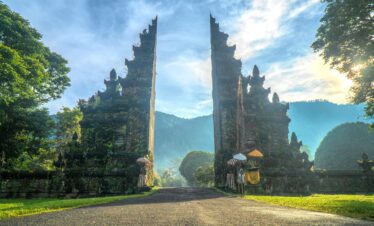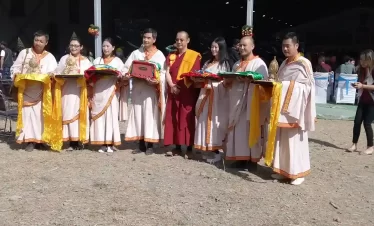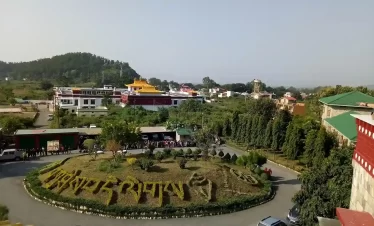


Combining India, Nepal, and Bhutan into a single journey is a popular choice for travelers who want to experience the diverse landscapes and cultures of South Asia. On a single trip, you can visit the historic architecture of the Golden Triangle in India, the ancient temples of the Kathmandu Valley in Nepal, and the peaceful Buddhist monasteries in the Himalayas of Bhutan.
However, crossing borders in this region involves coordinating different visa regulations, flight connections, and local logistics. Working with a reliable local travel agency can make planning a multi-country tour much easier, allowing you to focus on the experience rather than the administrative details.
Quick Answer
To plan a multi-country trip to India, Nepal, and Bhutan, you need to coordinate regional flights, arrange ground transportation, and secure the necessary visas for each country. A typical well-paced itinerary requires 16 to 21 days. Working with established inbound travel companies in Delhi like TravelAstu simplifies the process, as they handle cross-border logistics, private drivers, local guides, and hotel bookings across all three destinations.
Why Combine India, Nepal, and Bhutan?
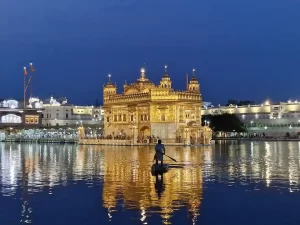
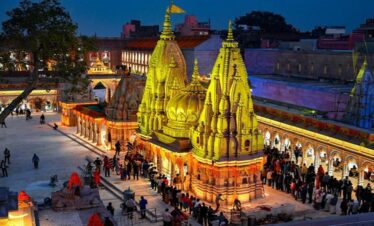
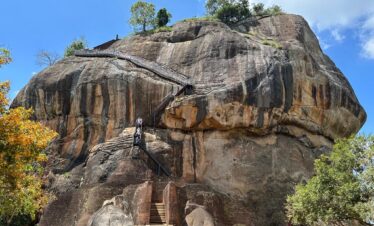
The primary appeal of a tri-nation tour is the contrast in experiences packed into one region. India offers complex history and architectural grandeur, with destinations like Delhi, Agra, and Jaipur providing a solid introduction to the subcontinent.
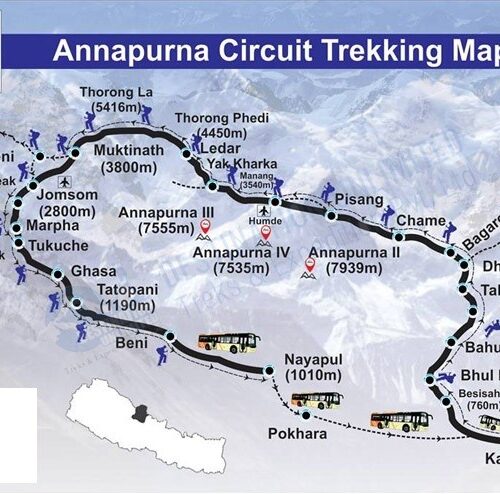
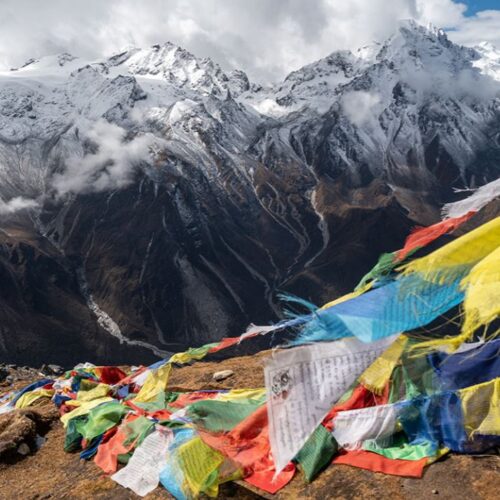
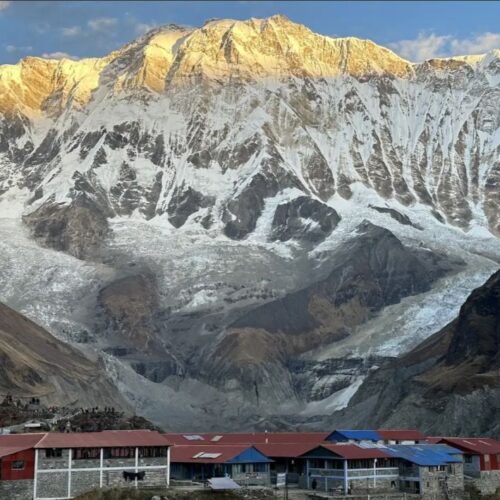
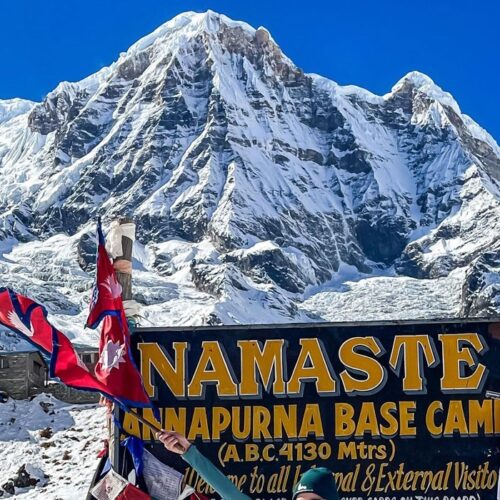
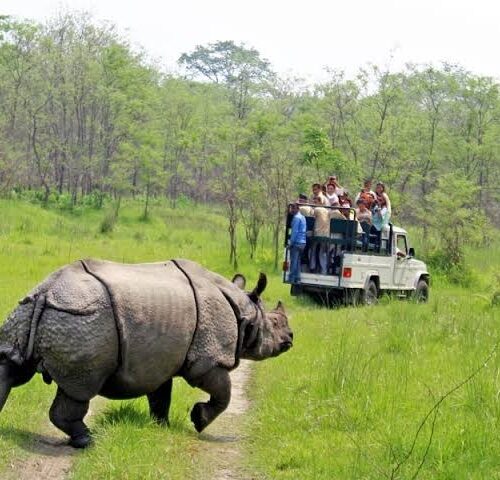
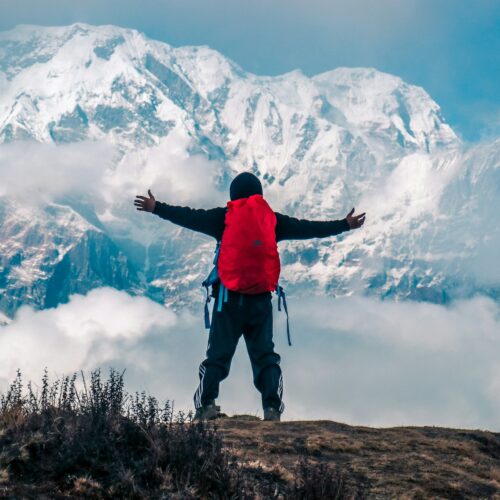
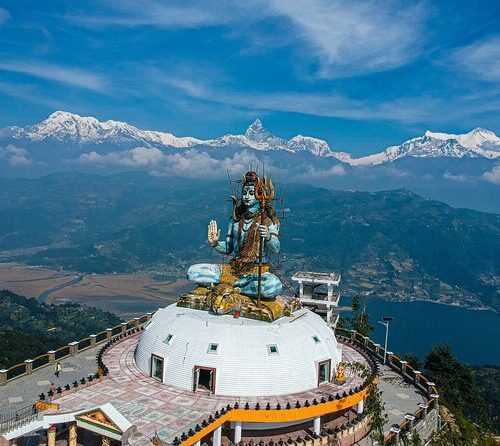
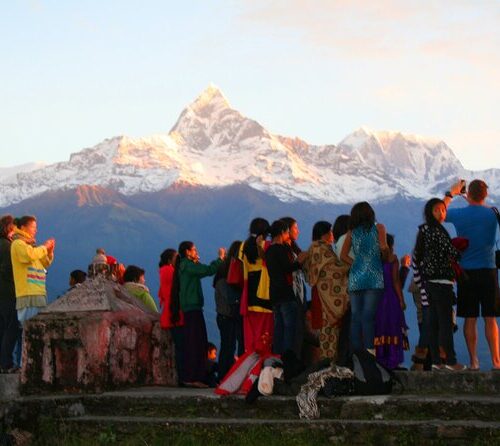
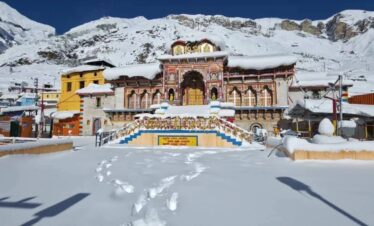
Nepal shifts the focus to mountain landscapes and ancient spirituality, offering close-up views of the Himalayas and the rich heritage of Kathmandu.
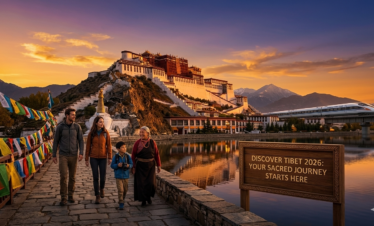
Bhutan follows a “High Value, Low Impact” tourism approach designed to promote sustainable and responsible tourism while preserving its cultural and natural heritage. Combining these three destinations gives you a broader understanding of the region’s culture and natural beauty.
What is an Ideal Itinerary for This Trip?
To enjoy all three countries without rushing, a minimum of 16 to 21 days is generally recommended. A practical sample 16-day route often starts in India, as Delhi is a major international aviation hub. Travellers who want to include Pokhara or additional destinations should allow closer to 18–21 days.
- India (Days 1–6): Arrive in Delhi. Explore the capital, drive to Agra to visit the Taj Mahal, and proceed to Jaipur to experience the forts and culture of Rajasthan.
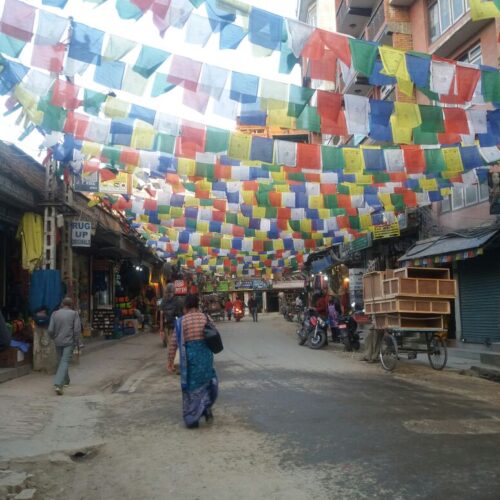
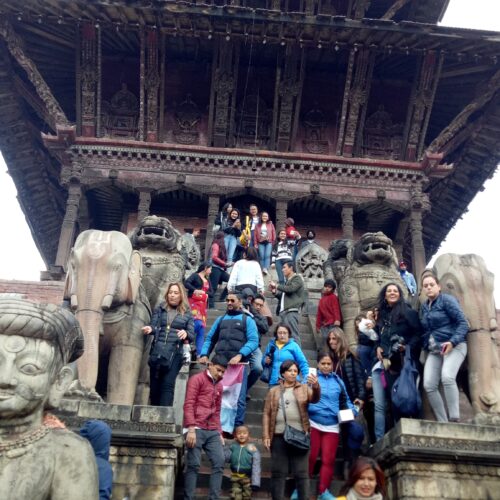
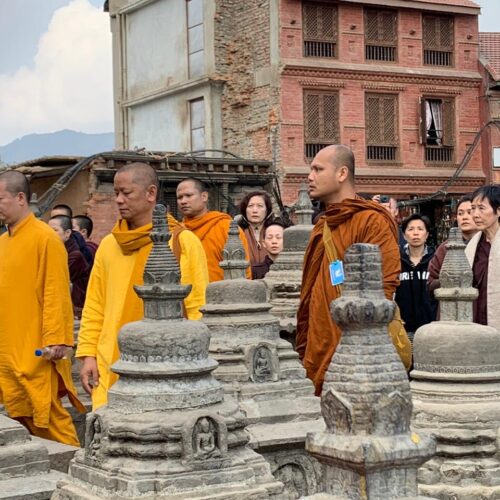
- Nepal (Days 7–11): Fly from Delhi to Kathmandu. Spend time exploring the ancient stupas and historic squares of the Kathmandu Valley.
- Bhutan (Days 12–16): Travel to Paro by a suitable regional flight connection, then continue by road to Thimphu to explore Bhutanese traditions. Afterwards, return to Paro for the hike to Tiger’s Nest before flying back to Delhi for your departure.
Understanding Visa and Entry Requirements
Navigating bureaucratic requirements is a critical part of planning a multi-country trip. Each nation has a different approach to tourism.
| Country | Visa Policy and Logistics |
| India | Most nationalities must apply for an e-Visa online before arrival. If your itinerary requires leaving India for Nepal or Bhutan and then returning to India, check whether your Indian visa permits multiple entry before booking the trip. |
| Nepal | Many travellers are eligible for a Visa on Arrival at Kathmandu airport, although eligibility and requirements vary by nationality. Check Nepal’s current immigration requirements before travelling. |
| Bhutan | Bhutan has specific entry and tourism requirements that vary by traveller and nationality. Most international visitors need to arrange their visa or entry clearance before travel, and the Sustainable Development Fee (SDF) applies to eligible visitors. |
How a Local Travel Agency Helps with Cross-Border Travel
Because Delhi serves as a central travel node, an India-based travel agency is often well-positioned to manage this complex itinerary. They can coordinate private drivers and local guides for your arrival and sightseeing in Delhi, Kathmandu, and Paro.
More importantly, they can coordinate regional flights between the three countries. Flights into Bhutan are limited and often require booking well in advance. A local company can secure these tickets and ensure your itinerary has sensible buffer times, which is important since mountain weather can occasionally cause flight delays.
Plan Your Multi-Country Trip with TravelAstu
TravelAstu is one of the leading inbound travel companies in Delhi capable of arranging a complete india nepal bhutan tour package that seamlessly connects with travel across the three nations. We help international visitors coordinate cross-border trips smoothly, taking the stress out of navigating multiple sets of logistics.
Our comprehensive services include:
- Tailored driver with car booking arrangements for comfortable ground transport.
- Knowledgeable local guides in each destination.
- Coordination of regional flights between India, Nepal, and Bhutan.
- Reliable hotel booking services ranging from standard luxury to premium heritage properties.
- Assistance with understanding visa requirements and itinerary flow.
We arrange travel services across popular Indian destinations, making it easy to integrate comprehensive Golden Triangle tours or culturally rich Rajasthan tours before you continue your journey to Kathmandu and Paro.
Frequently Asked Questions (FAQs)
Q: What is the best time of year to visit India, Nepal, and Bhutan together?
A: The most popular seasons are spring (March to May) and autumn (October to November). These months generally offer clear skies for mountain viewing in Nepal and Bhutan, and pleasant weather for sightseeing in India.
Q: Can TravelAstu arrange my Bhutan visa?
A: Yes, when you book an India Nepal Bhutan tour package with TravelAstu, we can coordinate with the appropriate Bhutanese travel partners to help with the required arrangements, including visa processing and the Sustainable Development Fee (SDF), where applicable.
Q: What currency should I carry for a multi-country trip?
A: India uses the Indian Rupee (INR), Nepal uses the Nepalese Rupee (NPR), and Bhutan uses the Ngultrum (BTN). INR is also commonly accepted in Bhutan and parts of Nepal, although acceptance and restrictions can vary. It is useful to carry some local cash while also keeping an international card as a backup. Your travel agency can advise you on the currencies and payment methods needed for your specific itinerary.
Q: How physically demanding is this trip?
A: The ground tours in India and Nepal are generally relaxed and can be tailored to your pace. In Bhutan, the hike to Tiger’s Nest requires a moderate level of fitness because of the uphill terrain, elevation gain, and duration. Travellers can take their time and discuss alternative sightseeing options if they prefer not to hike.
Conclusion
Planning a journey across India, Nepal, and Bhutan rewards travelers with a memorable mix of cultural immersion and natural beauty. By partnering with experienced inbound travel companies in Delhi, you can simplify the complex logistics, regional flights, and cross-border transport.
Planning a multi-country trip to South Asia? Contact TravelAstu to discuss your customized itinerary, hotel preferences, and cross-border travel arrangements.